Why Can a Casino Request KYC? What It Is and How to Stay Safe
KYC means a casino checks who you are. Learn why it asks, what documents are usual, how to send them safely, and which requests are warning signs.
By CasinoRadius team, updated 30 October 2026, 6 min read
Last checked: 30 October 2026
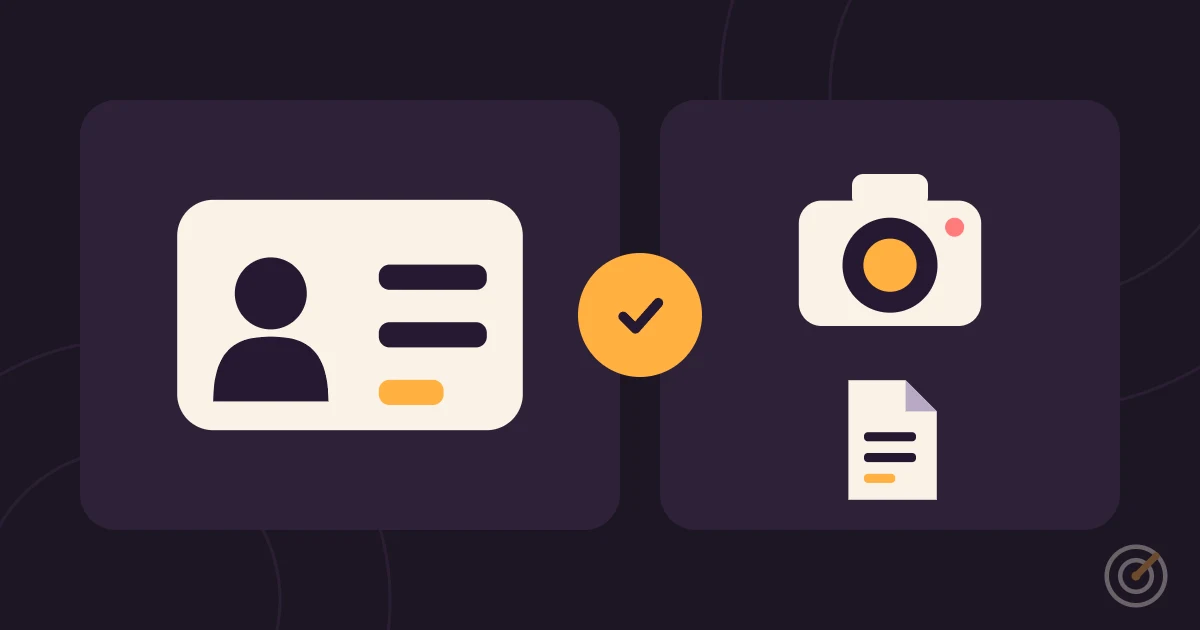
Sooner or later most players get a message: "Please verify your account." That is KYC, short for "know your customer". It can be annoying, and it can delay a payout. It is also normal. This guide explains why it exists, what is usually asked, and how to stay safe while you do it. It also explains why a real request looks different from a scam.
What KYC means
KYC is the process where a business checks who its customer is. In gambling, the casino confirms that you are a real person, that you are old enough, and that the account is yours. Sometimes it also asks where the money comes from.
The rules differ by country and by regulator. This guide uses the UK Gambling Commission as an example because it publishes its guidance in English. If your casino is regulated elsewhere, the details can be different, so check the terms and the regulator's own site.
Why casinos ask
- To keep financial crime out of gambling. The UK Gambling Commission says all gambling operators have a responsibility to keep financial crime out of gambling. Casinos can be used to move illegal money, so regulators expect checks.
- To check who is playing remotely. The Commission's 2026 risk page lists, as a weakness, a lack of adequate and relevant due diligence checks on customers who are not physically present for verification purposes. Online, nobody sees your face at a counter, so the check is done with documents.
- To check where money comes from. The same page lists failure to appropriately scrutinise source of funds documents as a weakness. So a casino may ask how you can afford a large amount.
- To protect adults and children. Casinos must keep minors out, which is why age comes up early.
What is usually asked
The exact list depends on the casino and the regulator. Typical requests include:
- Proof of identity: a passport, an ID card or a driving licence.
- Proof of address: a recent utility bill or a bank statement showing your name and address.
- Proof of the payment method: for example a photo of your card with the middle digits hidden, or a screenshot of your e-wallet account in your name.
- Source of funds: documents that show where a large amount of money comes from, such as payslips or a bank statement.
The names on the documents should match your casino account. Send clear, full, valid copies. If something is unclear, ask support in writing which document they accept.
When is it asked?
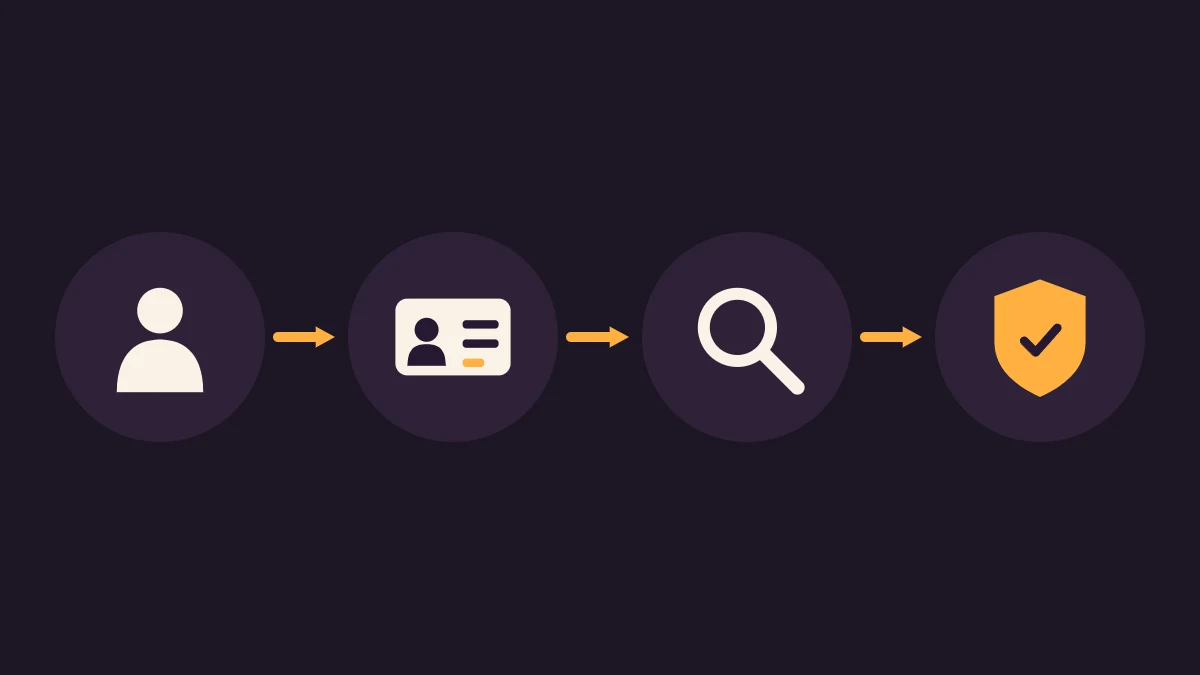
In Great Britain, the Commission says identity must be verified before the customer is permitted to gamble. It also says players must not be asked for information at the point they request a withdrawal if the operator could reasonably have asked for it earlier. These are British rules. Elsewhere the rules can differ, and many casinos write in their terms that they may ask for more documents later, for example when an amount is large or something looks unusual. So read the terms before you deposit, and verify early.
How long does it take?
It varies, and we cannot give a reliable time. It depends on the casino, on how clear your documents are, and on whether a person has to look at them. The quickest way to avoid delay is to send correct documents on the first try. If you are waiting for a payout, see why withdrawals are delayed.
How to send documents safely
- Use the casino's own secure upload in your logged-in account. Do not send documents by ordinary email or to someone who contacted you first.
- Check the web address yourself. Type it or use your own bookmark. Do not trust a link in a message.
- Hide what is not needed. If a document allows it, you may cover things like the middle digits of a card, but only if the casino says that is acceptable. Ask first.
- Keep a record. Save the date, what you sent and any reply.
- Never send a password, a card security code (CVV), a one time code or a recovery phrase. A genuine identity check asks for identity documents, not the keys to your account or your money.
- Do not give anyone remote access to your device.
On data, the ICO, the UK data protection regulator, explains that personal data should be adequate, relevant and limited to what is necessary, and kept in a form that identifies people for no longer than is necessary. If a casino asks for far more than seems needed, you can ask why and how long it will keep your data.
Warning signs of a scam request
The FTC says honest organizations will not call, email or text to ask for your personal information, and that anyone who pressures you to pay or give personal information is a scammer. It also says never to pay someone who insists you can only pay with cryptocurrency. Be careful if:
- the message came from an unknown sender, or from an address that is not the casino's
- it creates pressure, such as "verify in one hour or lose your balance"
- it asks you to pay a fee to be verified
- it asks for a password, a security code or a recovery phrase
- it sends you to a web address that looks slightly different from the casino's
If you are unsure, do not reply. Log in by the normal route and look for a request inside your own account, then ask support in writing.
If you think a check is unfair
Ask support in writing which document is missing, why, and what the next step is. If it is not solved, complain to the casino first. The UK Gambling Commission says you should first complain directly to the gambling business, and it lists ID verification among common complaint topics. See what to do when a withdrawal is not paid. Other regulators work differently, so check which body can help with your casino.
Summary
KYC is a normal part of licensed gambling. Casinos ask because they must keep financial crime out and check who they serve. Verify early, send documents only through the casino's own secure area, never share passwords or codes, and treat pressure or fees as a warning. Read the terms before you deposit so there are no surprises.
This guide is general information, not legal advice. Gambling carries risk. It is for adults only (18+). If gambling is a problem for you, free help is available from services such as GambleAware.
Related
Sources
- UK Gambling Commission, key issues and our expectations concerning account withdrawals (blog, 18 July 2024)
- UK Gambling Commission, restrictions on withdrawing deposit and deposit winnings
- UK Gambling Commission, prevention of money laundering, part 1.5 purpose
- UK Gambling Commission, 2026 money laundering and terrorist financing risks, casino (remote)
- UK Gambling Commission, complain about a gambling business
- ICO, the data protection principles
- FTC, how to avoid a scam