Introduction to Online Casinos: A Plain Beginner Guide
What an online casino is, how it works from sign-up to withdrawal, who checks it, and what to know about games, payments, bonuses, ID checks and staying in control.
By CasinoRadius team, updated 30 October 2026, 7 min read
Last checked: 30 October 2026
An online casino is a website or app where adults can bet money on casino games. This guide explains the basics in plain words: how it works, who checks it, and what to look at before you put any money in. It is education, not advice to play.
What an online casino is and how it works
An online casino is the internet version of a land-based casino. Wikipedia describes the main kinds as web-based (in a browser), download-based (software you install) and app-based (on a phone or tablet).
The steps are almost always the same.
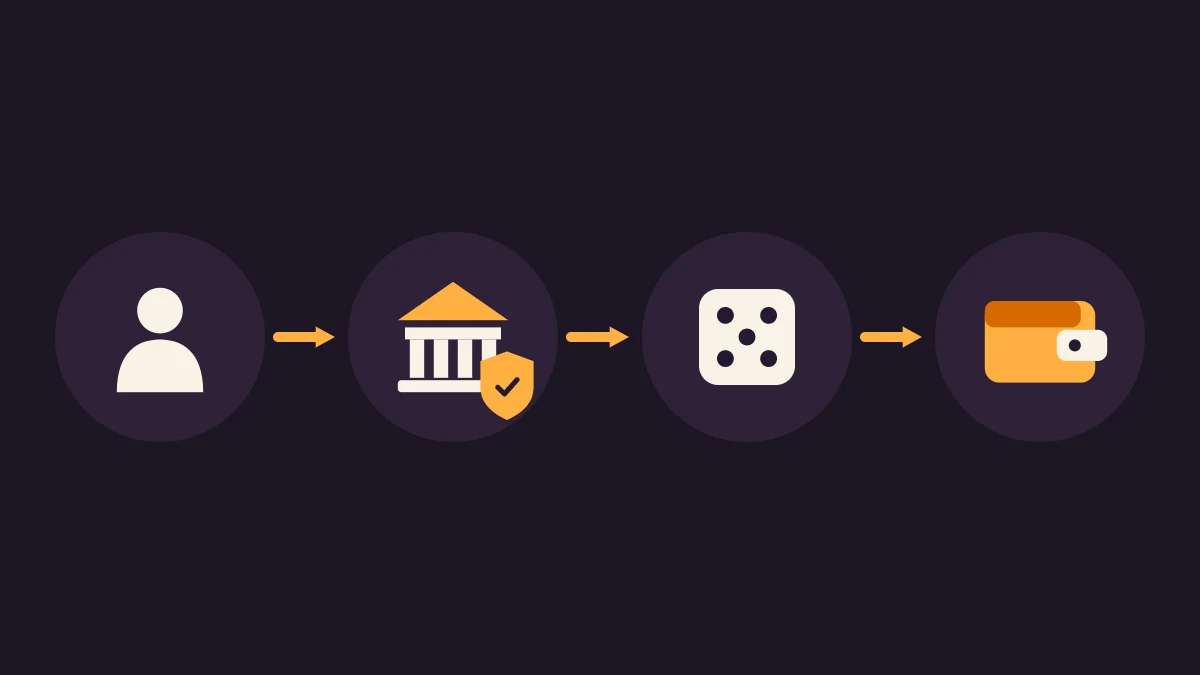
- Account. You register with your name, address, date of birth and contact details.
- Deposit. You move money into your casino balance.
- Play. You choose a game and set a stake. Each round takes money from the balance or adds a win to it.
- Withdraw. You ask the casino to send money back to you. The casino may ask you to prove who you are first.
Gambling can lose you money. The casino is a business, and the games are built so that the casino keeps a share over time.
Who runs it and who checks it
A company called the operator runs each casino. In many countries, the operator needs a licence from a gambling regulator. The regulator sets rules and can act against operators that break them. Wikipedia notes that rules differ a lot between countries. Some use a state monopoly, some issue licences, and some leave it to regional rules.
A casino can say it has a licence without having one. So do not trust the badge in the footer. Find the licence number and the regulator's name, then look the operator up in the regulator's own public register. The UK Gambling Commission, for example, publishes a public register of businesses that hold a licence, which anyone can search. If you cannot find the operator in the register, treat that as a warning sign.
A licence does not mean a casino is perfect, and it does not decide what is allowed where you live. Check the law in your own country before you sign up.
The main kinds of games
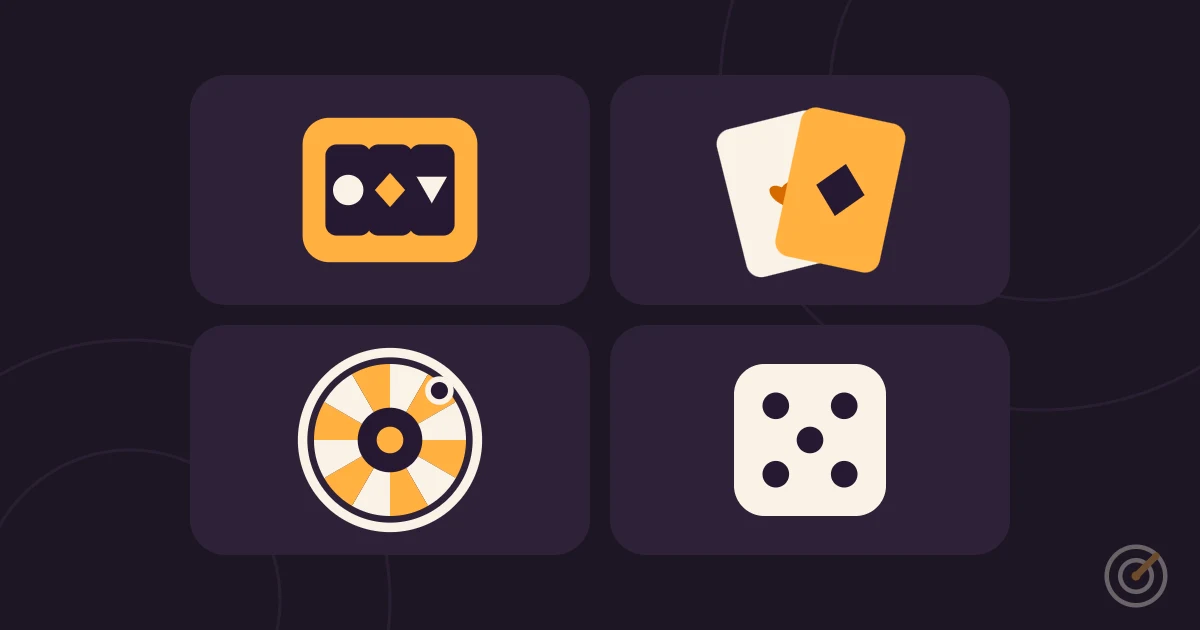
- Slots. Spinning reels with symbols. You set a stake and press spin. Results are fast and need no skill.
- Table games. Digital versions of blackjack, roulette, baccarat and poker variants. They follow fixed rules, and some choices are yours.
- Live dealer games. A real dealer runs a table in a studio and you watch on video. You place bets on screen.
- Instant games. Quick, simple rounds such as crash, dice or scratch-style games. A round can end in seconds.
Our guide to types of online casino games explains each one in more detail.
How random results work
Digital games use a random number generator, or RNG. This is a process that makes results that cannot reasonably be predicted better than by chance. Most casino software uses a pseudo-random type: a program that only looks random, but is built to be unpredictable in practice. eCOGRA, an industry testing agency, says games that use an RNG are tested to check that they are fair and pay back their designed return.
Testing is not perfect, and eCOGRA says a problem can sometimes slip through. Still, a random result means that past spins do not change the next one.
RTP (return to player) is the share of stakes a game is designed to pay back over a very long time. A 96 percent RTP does not tell you what will happen in one session. Read RTP vs volatility explained for the detail.
Payments and bonuses
How people pay
Common ways to pay in and out are:
- Bank cards (debit and credit).
- Bank transfer.
- E-wallets, which hold money in a separate online account.
- Cryptocurrency, offered by some sites.
Methods differ by country and by casino. Check fees, limits and how long a withdrawal takes before you deposit. Many casinos pay out only to the method you used to pay in. Our guide to crypto vs fiat casinos compares the two kinds of money.
Bonuses in plain words
A bonus is extra money or free spins that the casino offers, often for a first deposit. It comes with conditions. The most important one is the wagering requirement: you must bet a set amount before you can withdraw winnings linked to the bonus. Wikipedia notes that such requirements are usually set so that the bonus is not in the player's favour in the long run.
Read the terms before you accept. Look at the wagering, the time limit, the maximum bet and any games that do not count. A bonus is optional. You can say no. See welcome bonus: what to check and how to read wagering requirements.
Identity checks (KYC)
KYC means "know your customer". The operator checks who you are. In Britain, the Gambling Commission says online gambling firms must verify your age and identity before you can bet. They confirm you are old enough, check whether you are on a self-exclusion list, and check your identity. They often match your details against databases first. If that is not enough, they may ask for documents such as a passport, a driving licence or a household bill.
Rules differ by country, but the idea is common. Expect a check, and keep your documents ready. Use your own real details. A check is also a reason to be careful with who you share documents with: only send them to a casino you have already checked.
Staying in control
Gambling is for adults aged 18 and over. It is entertainment, not a way to make money. It can become addictive.
- Set a deposit limit before you start, and keep to it.
- Set a time limit and take breaks.
- Never chase losses. Trying to win back what you lost often makes it worse.
- Use self-exclusion if you want to stop. Many regulated casinos offer tools to block your account for a set time.
- Gamble only with money you can afford to lose.
GambleAware, a charity in Great Britain, offers free tools such as a spend calculator and blocking tools, and adviser support by phone or chat. Its service is for residents of Great Britain, so look for help in your own country. Read more on our responsible gambling page.
Before your first deposit and in short
Checklist
- Am I 18 or older, and does the law where I live allow this?
- Can I find the licence number and the regulator, and does the public register show the operator?
- Have I read the terms, fees, withdrawal limits and bonus rules?
- Do I know which payment methods I can use to pay in and to get paid out?
- Have I set a deposit limit and a time limit?
- Is this money I can afford to lose?
- Do I know where the self-exclusion and help links are?
For a longer list, read how to check if a casino is safe.
In short
- An online casino is a business. The games are built so the casino keeps a share over time.
- Results are random, and past results do not change the next one.
- A claimed licence must be checked in the regulator's public register.
- Bonuses come with conditions. Read them.
- Expect ID checks before you can bet or withdraw.
- Set limits, never chase losses, and ask for help early.