What Does a Casino Licence Actually Mean?
A licence logo in the footer is not a guarantee of anything. Learn what a gambling licence is, what it can and cannot promise, why regulators differ, and what it means in the Balkans.
By CasinoRadius team, updated 30 October 2026, 5 min read
Last checked: 30 October 2026
Almost every online casino shows a licence in its footer. It sounds like a stamp of approval. But a licence is only as meaningful as the regulator behind it, and it does not promise what many players think it does. This guide explains what a licence is, what it does not guarantee, and how to think about it. To learn how to look one up, see our checklist on how to check if a casino is safe.
What a licence is
A gambling licence is permission from a regulator for a company to offer gambling under that regulator's rules. In return the company agrees to be supervised. Regulators publish lists of the businesses they license. The UK Gambling Commission, for example, says it publishes registers of licensed businesses, individuals, regulatory actions and premises, which you can search, view and download.
A licence is tied to a company, a type of activity and a regulator. It is not a quality mark for a website. A casino can have several websites, and a licence for one company does not automatically cover every site you see.
What a licence usually involves
Each regulator sets its own rules, so the details differ. Licences commonly come with rules about things such as:
- who owns and runs the company
- keeping player money and company money apart
- checking that players are adults
- testing that games work as described
- handling complaints
- preventing financial crime
Do not assume a given licence includes all of these. Read what the regulator itself says it requires. A regulator that publishes its rules and its enforcement actions is easier to judge than one that does not.
What a licence does not guarantee
- It does not guarantee you will win, or that the game will pay back more than its design allows. See RTP vs volatility.
- It does not guarantee fast payouts. Delays have normal reasons, and also some that are not normal. See why withdrawals are delayed.
- It does not mean every term is fair to you. A licensed casino can still have strict bonus terms. Read them. See how to read wagering requirements.
- It does not mean a regulator will solve your dispute. The UK Gambling Commission says you should first complain to the gambling business, and that it does not resolve or make decisions on complaints about gambling-related transactions. Other regulators have other rules.
- It does not remove the risk of harm. Gambling can be addictive. Limits and self-exclusion tools matter more than any logo.
Why regulators are not all the same
Regulators differ in what they require, how they check, how openly they publish, and what help a player gets. Some publish searchable registers. Others publish a list of certified operators. For example, the Kahnawake Gaming Commission publishes a list of operators and websites it has certified, marked with an update date. The Curacao Gaming Authority offers certification seals for businesses it certifies, and its regime has changed in recent years. Sources disagree on the exact dates, so check the authority's own site for the current rules before you rely on a Curacao licence.
You do not need to rank regulators. You need to do three things: find out who the regulator is, find the rules and the register on its own website, and see what it says about complaints.
A licence in one country, a player in another
Gambling law is national. A casino with a licence from one country may not be allowed to serve players in yours. Authorities in some countries act against unlicensed online gambling. The Croatian Tax Administration, for example, says it works to prevent unauthorized online gambling and can order websites to be blocked. Bulgaria's National Revenue Agency lists licensing of gambling operators and registers under its Gambling Act. Check what your own country's authority says about operators that do not hold a local licence.
This matters for players in the Balkans. An operator that is licensed abroad may be legal in its own country but not authorised for your market. That can affect where you can complain and what help you can expect.
A simple way to think about it
Ask four questions:
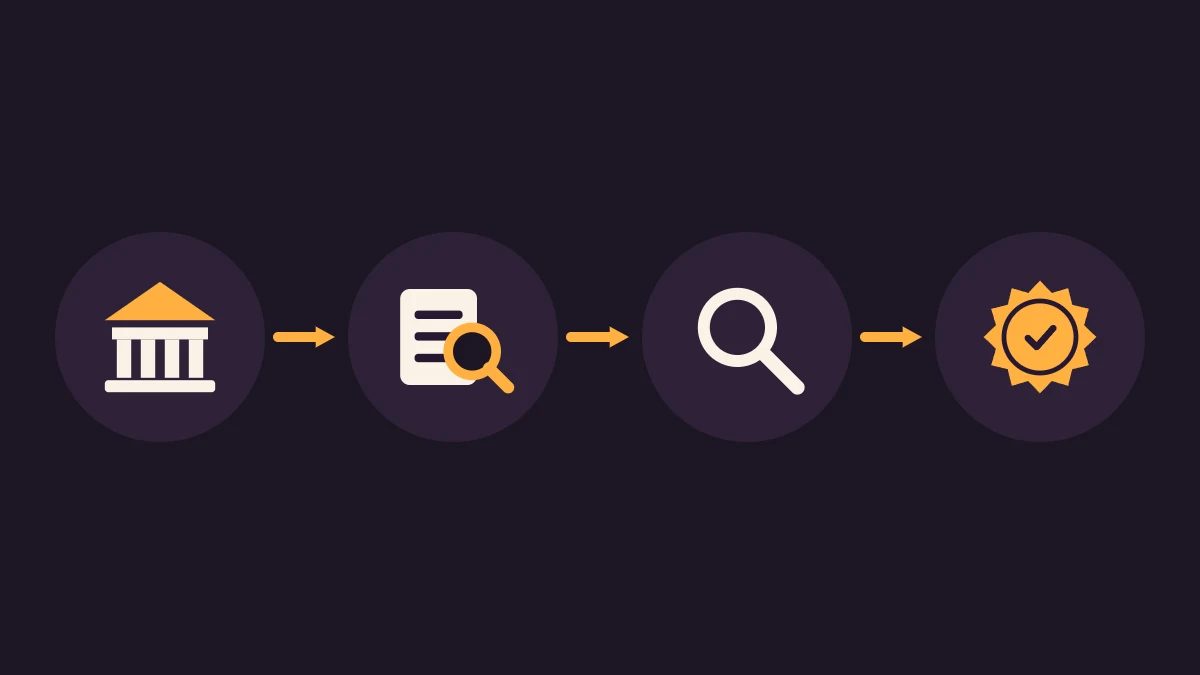
- Who is the regulator, and can I find it on its own website?
- Is this company, and this website, listed there with an active status?
- What does the regulator say about complaints and about players in my country?
- Do the terms match what I expect?
If you cannot answer the first two, treat the licence claim as unproven.
Summary
A licence means a regulator has agreed to supervise a company under its rules. It does not mean you will win, get paid fast, or have every term in your favour, and its value depends on the regulator and on where you live. Check it on the regulator's own site, read the terms, and play only with money you can afford to lose.
This guide is general information, not legal advice. Gambling carries risk. It is for adults only (18+). If gambling is a problem for you, free help is available from services such as GambleAware.
Related
Sources
- UK Gambling Commission, public register
- UK Gambling Commission, complain about a gambling business
- Kahnawake Gaming Commission, certified interactive gaming operators
- Curacao Gaming Authority, certification
- Croatian Tax Administration, unauthorized online gambling and blocking
- Bulgarian National Revenue Agency, licensing of gambling operators